Winterization and Filtration Strategy for Cannabis Extracts
Winterization removes the plant lipids and waxes that co-extract along with cannabinoids and terpenes, and filtration is what actually pulls that precipitated material out of solution — the two steps work together, and skipping or rushing either one shows up later as a hazy, waxy, or slow-filtering extract. This guide covers why the sequence matters, how to match filtration equipment to your process, and a troubleshooting checklist for runs that filter slower than expected.
Why Winterize Before Filtration
Crude extract — whether from hydrocarbon or ethanol extraction — carries dissolved plant lipids and waxes along with the cannabinoids and terpenes you want. Winterization is a cold-soak step, typically well below freezing, that gives those lipids and waxes time to precipitate out of solution as solid particulate. Filtration then removes that solid material.
Filtering before adequate winterization time has passed means the lipids and waxes are still dissolved rather than precipitated, so filtration can't remove them — they pass straight through and show up as haze or a waxy texture in the finished product.
Matching Filtration Equipment to Your Process
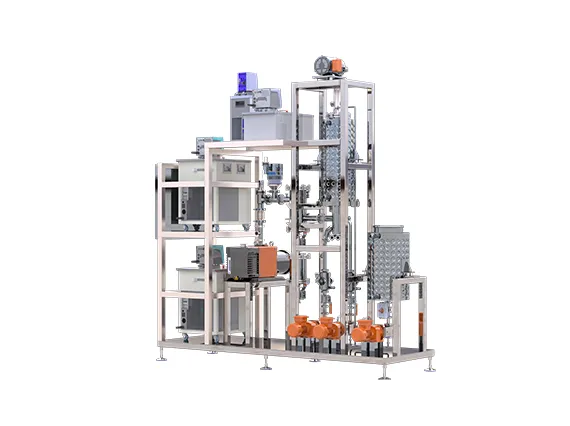
The 12.CF Cartridge Filter is a dual-track cartridge filtration system rated at 300 GAL/HR with an integrated backpressure sensor, built for C1D2 workspaces — suited to facilities that want a dedicated, high-throughput filtration step. The Cannaskid Filtration System instead runs four stages — particulate removal, clarification, dewaxing, and decolorization — in a single pass through one skid, which suits facilities that want winterization-adjacent dewaxing and clarification combined into one piece of equipment.
Filtration equipment at a glance
| System | Approach | Rated throughput | Best fit |
|---|---|---|---|
| 12.CF Cartridge Filter | Dual-track cartridge filtration | 300 GAL/HR | High-throughput, C1D2-rated dedicated filtration |
| Cannaskid Filtration System | Four-stage inline filtration with positive-displacement pump | Not published — confirm current specifications | Combined particulate removal, clarification, dewaxing, and decolorization in one pass |
Troubleshooting Checklist for Slow or Incomplete Filtration
- Confirm the winterization hold time and temperature actually match your SOP before blaming the filter media — under-winterized crude is the most common root cause of slow filtration.
- Check filter media condition and replacement schedule; media loaded past its capacity slows flow rate and can bypass fine particulate.
- Verify feed temperature at the filter — material that's warmed back up during handling can redissolve some of the precipitate you just spent hours winterizing out.
- Check backpressure readings against the equipment's normal operating range to catch a developing clog before it stalls a run.
The Next Step: Solvent Recovery and Distillation
Once filtered, ethanol-based extracts move to solvent recovery — the 50.FF Falling Film Evaporator is rated at 50 gallons per hour (190 L/HR) with 96–99% first-pass efficiency. From there, extracts typically move to thin film distillation; see the 30.TF and 80.TF systems.
Common Mistakes and Quality Risks
- Cutting winterization hold time short to keep a production schedule, which pushes the problem downstream into a slow or incomplete filtration run.
- Reusing filter media past its effective capacity, which slows flow rate and can let fine particulate through.
- Letting winterized material warm up during transfer or handling, which can redissolve some of the precipitate before it reaches the filter.
- Treating filtration equipment choice as one-size-fits-all rather than matching it to your actual throughput and process stage — a dedicated cartridge filter and a combined dewaxing/clarification skid solve different problems.
Topics covered
- winterization
- filtration
- dewaxing
- solvent recovery
Related Equipment
Related Parts & Supplies
Related Reading
You've just read the full guide above. Want a copy in your inbox to share with your team or keep for reference?